Does Home Decor Affect Your Mood? The Science Behind Designing a Happier Space
Walk into a room filled with natural light, soft textures, and calming colors—and you instantly feel at ease. Now imagine stepping into a cluttered, dimly lit space with harsh lighting. The difference isn’t just aesthetic—it’s psychological.
Home decor isn’t just about making your space look good. It directly impacts your mood, productivity, stress levels, and even your overall mental health. With the rise of wellness-focused interior design, more people are realizing that the way we design our homes can shape how we feel every single day.
Let’s explore how home decor affects your mood—and how you can intentionally design a space that supports your well-being.
The Psychology of Home Decor.
Interior design psychology is a growing field that studies how our surroundings influence behavior and emotions. Research in environmental psychology shows that elements like color, lighting, layout, and texture can significantly impact mood and cognitive performance.
For example:
Natural light exposure has been linked to improved sleep and reduced depression.
Cluttered environments can increase cortisol (stress hormone) levels.
Organized, visually pleasing spaces promote calmness and focus.
This is why terms like “home wellness,” “mindful living spaces,” and “mental health interior design” are trending heavily in search engines.
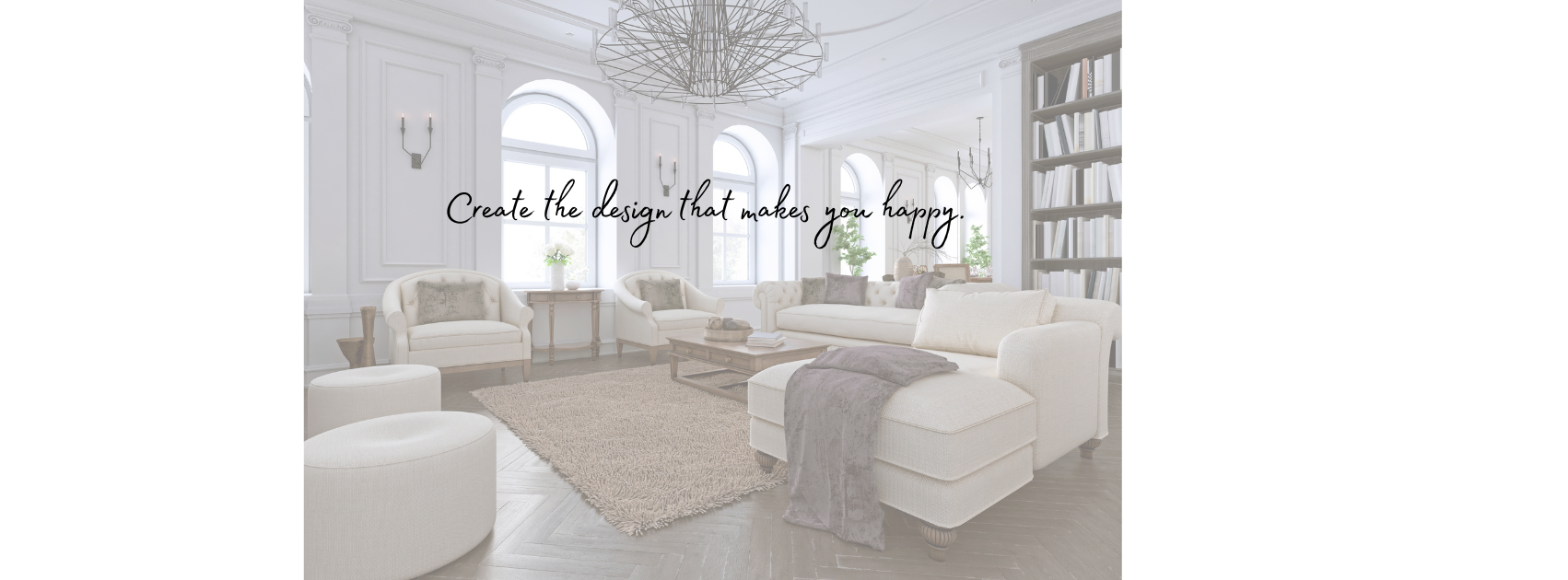
Color Psychology: The Mood-Changing Power of Paint
One of the most powerful tools in home decor is color. Different shades evoke different emotional responses—and choosing the right palette can completely transform how a room feels.
Blue and green tones promote calmness, relaxation, and mental clarity
Warm neutrals (beige, taupe, cream): Create comfort and stability
Yellow accents: Boost energy and happiness
Dark colors (charcoal, navy): Add sophistication but can feel heavy if overused
Many top-ranking blogs emphasize “calming color palettes for home,” “best paint colors for anxiety,” and “neutral home decor ideas”—because people are actively searching for ways to feel better through design.
Bringing Nature Indoors: Biophilic Design
Biophilic design—one of the fastest-growing home decor trends—focuses on incorporating natural elements into indoor spaces.
Studies show that adding plants and natural materials can:
Reduce stress levels
Improve air quality
Increase feelings of happiness and relaxation
Popular SEO keywords like “indoor plants for mental health,” “biophilic interior design,” and “nature-inspired home decor” are trending for a reason.
Simple ways to incorporate this:
Add houseplants like snake plants or pothos
Use wooden furniture and organic textures
Maximize natural light with sheer curtains
Even small touches—like a vase of fresh flowers—can make a noticeable difference in mood.
Decluttered Space, Clear Mind
Clutter isn’t just visually overwhelming—it can be mentally exhausting. Research from neuroscience studies shows that clutter competes for your attention, reducing focus and increasing stress.
That’s why minimalist home decor, decluttering tips, and organized living spaces are some of the highest-ranking Google searches in the home niche.
Benefits of a clutter-free home:
Improved concentration
Reduced anxiety
Better sleep quality
Start small:
Clear one surface at a time
Use hidden storage solutions
Keep only items that serve a purpose or bring joy
Lighting: The Unsung Hero of Mood
Lighting plays a massive role in how we experience a space—yet it’s often overlooked.
Natural daylight boosts serotonin and regulates your circadian rhythm
Warm lighting creates a cozy, relaxing atmosphere
Cool white lighting enhances focus and productivity
Search trends like “best lighting for mood,” “ambient lighting ideas,” and “cozy home lighting setup” continue to grow because lighting directly affects emotional comfort.
Pro tip:
Layer your lighting with a mix of:
Overhead lights
Floor lamps
Accent lighting (like LED strips or candles)
This creates depth and allows you to adjust the mood depending on the time of day.
Comfort & Texture: Designing for the Senses
Your home isn’t just visual—it’s tactile. Soft textures and comfortable materials can trigger feelings of safety and relaxation.
Think:
Plush rugs
Cozy throws
Bouclé or linen furniture
Layered bedding
This is why keywords like “cozy home decor ideas,” “hygge interior design,” and “comfortable living room setup” rank so highly.
When your space feels physically comfortable, your nervous system relaxes—which directly improves your mood.
Personalization: The Emotional Connection
Your home should reflect you. Personal touches create emotional grounding and a sense of identity.
Examples:
Family photos
Travel souvenirs
Artwork that resonates with you
Meaningful objects
Studies show that personalized spaces can increase feelings of belonging and emotional security.
With more people working remotely and spending increased time at home, the demand for “home environment optimization” has skyrocketed.
Your home is no longer just where you sleep—it’s where you:
Work
Relax
Recharge
Connect
That means your environment is constantly influencing your mental state. This Matters More Than Ever
With more people working remotely and spending increased time at home, the demand for “home environment optimization” has skyrocketed.
Your home is no longer just where you sleep—it’s where you
Work
Relax
Recharge
Connect
That means your environment is constantly influencing your mental state.