5 Powerful Ways to Meditate for Better Health and Inner Peace
Confidence doesn’t always arrive with a bold entrance. Sometimes, it builds quietly, step by step, as we show up for ourselves day after day. It grows when we choose to try, even when we’re unsure of the outcome. Every time you take action despite self-doubt, you reinforce the belief that you’re capable. Confidence isn’t about having all the answers — it’s about trusting that you can figure it out along the way.
The key to making things happen isn’t waiting for the perfect moment; it’s starting with what you have, where you are. Big goals can feel overwhelming when viewed all at once, but momentum builds through small, consistent action. Whether you’re working toward a personal milestone or a professional dream, progress comes from showing up — not perfectly, but persistently. Action creates clarity, and over time, those steps forward add up to something real.
You don’t need to be fearless to reach your goals, you just need to be willing. Willing to try, willing to learn, and willing to believe that you’re capable of more than you know. The road may not always be smooth, but growth rarely is. What matters most is that you keep going, keep learning, and keep believing in the version of yourself you’re becoming.
1. Mindfulness Meditation (Best for Stress and Anxiety)
Mindfulness meditation is one of the most popular and research-backed techniques for reducing stress and improving mental health. It involves focusing your attention in the present moment—your breath, sensations, or surroundings—without judgment. When your mind wanders (and it will), you gently bring it back to your point of focus. This practice strengthens awareness and emotional regulation over time. If you’ve ever asked yourself how to reduce anxiety naturally, this is a powerful starting point. Try just 5–10 minutes a day and gradually increase as it becomes more comfortable.
2. Beginner-Friendly Guided Meditation
When quiet time seems tough, trying guided meditation might help it feel simpler, even interesting. A voice—live or recorded—walks you step by step through breathwork, calming images, or ways to release tension. This works well for anyone finding stillness hard, particularly those just starting out. Just tune in and move with the guidance, letting thoughts slow down without force. Falling asleep feels easier for some when they follow a quiet, focused practice at night. Try walking through a calm, voice-led routine once lights are out—this might ease tension plus slow down thoughts.
3. Breath Awareness Meditation (Best for Instant Calmness)
Right now, your breathing stays close, which means it can do wonders when settling an agitated mind. Instead of reacting fast, pay attention to each draw of air—slow and chosen on purpose—to let muscles loosen up. Try pulling breath in steadily over four counts, pause just a moment, and then release fully across six counts. That rhythm tells nerves to quiet down before tension takes hold. Maybe try it next time everything feels too much. Pause. Think back—has your breathing even registered lately?
4. Loving-Kindness Meditation (Best for Emotional Healing)
Loving-kindness meditation, sometimes called Metta, builds care toward yourself and then outward. Begin by softly saying things such as "May I feel joy? May I stay strong.” Shift these thoughts slowly—first to close friends, later to difficult people too. Feelings grow steadier when doing this often. Works well during hard times, moments full of tension or inner blame. Kindness shapes the way you think, slowly building care and warmth inside. Picture waking up each morning choosing gentle actions first.
5. Body Scan Meditation (Best for Deep Relaxation)
Starting at the top of your head, you shift focus down through each area of your body during a body scan. One breath at a time, sensations emerge—tightness here, ease there—simply observed. Instead of fixing or reacting, you let feelings exist as they are. Moving gradually downward, awareness becomes steady, unhurried. Because it eases built-up strain, many find their rest improves afterward. Though simple, it shows up regularly in health-focused routines meant to handle discomfort. With practice, space opens between sensation and response. When tension sits tight in your shoulders, neck, or back, try this. It works like hitting pause—on everything. Your mind slows down at the same time your muscles let go. A moment like that changes more than just posture. Notice how stillness spreads when you stop fighting yourself. This isn’t magic, just attention given where it’s needed. Breathing deeper already feels different. Tension doesn’t vanish but shifts. The space between each breath grows wider. You begin again without saying so.
Final Thoughts
Meditation isn’t about perfection—it’s about presence. The best meditation technique is the one you’ll actually practice consistently. Start small, stay curious, and allow yourself to explore what feels right for your lifestyle. At Uplift Comfort and Wellness, we encourage you to make meditation a daily habit that supports your physical comfort and mental clarity. Which of these techniques will you try first?
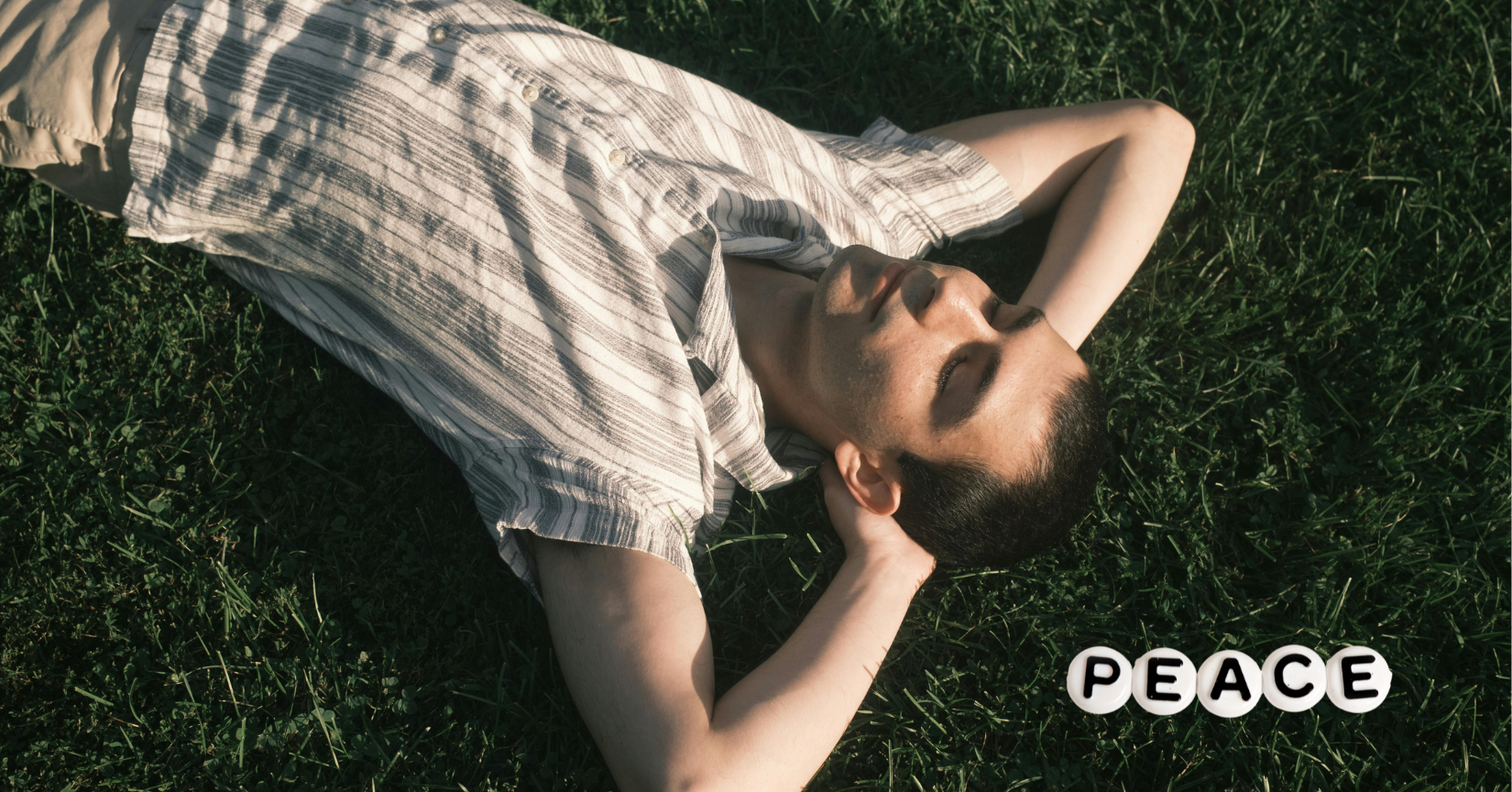
Ground yourself in nature—it’s a simple yet powerful relaxation technique for stress that helps calm the mind, restore balance, and improve overall mental wellness.
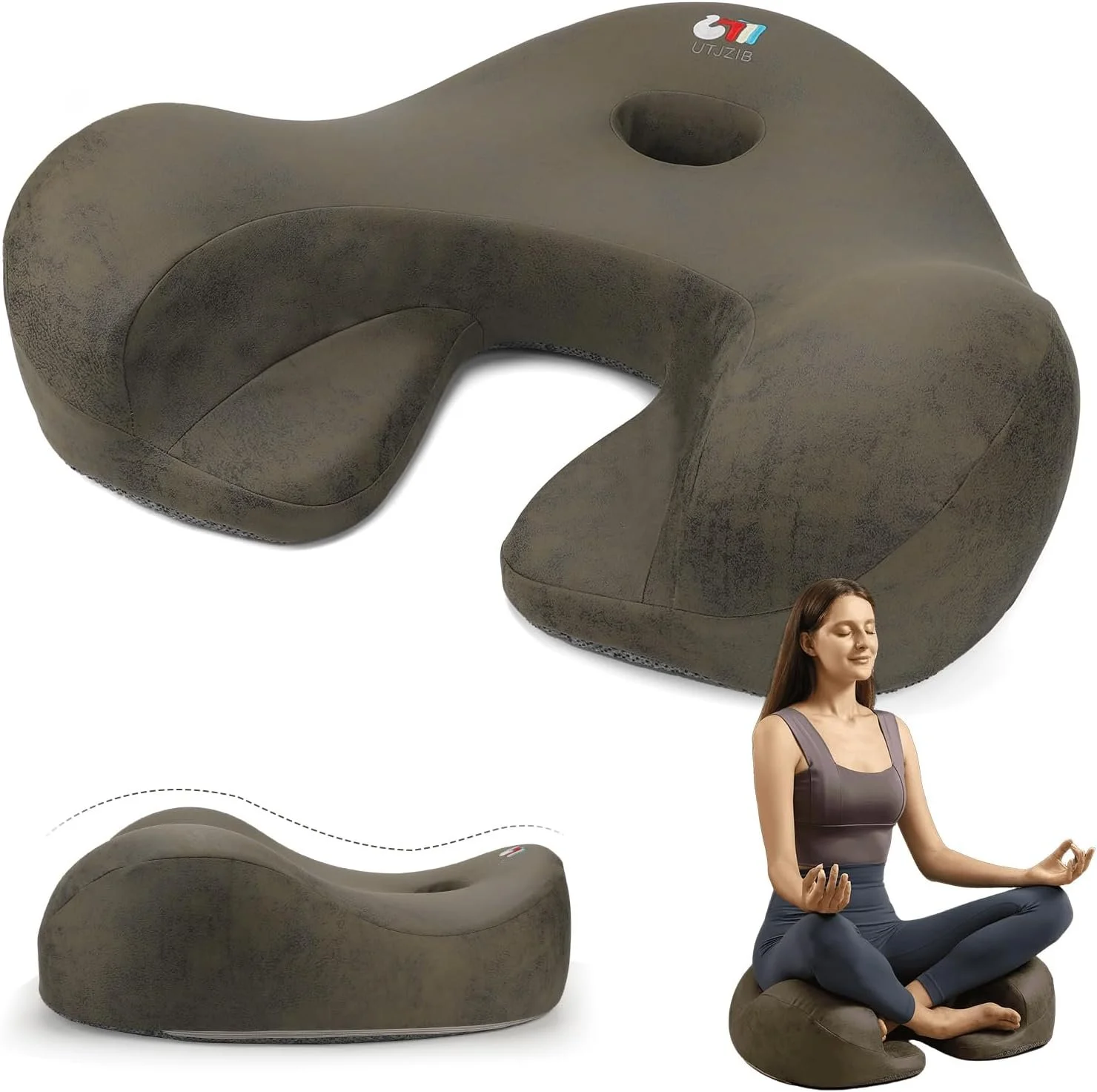
Ergonomic Foot Recess Prevents Numbness: Disclaimer: I may earn a small commission if you purchase the product, at no additional cost to you.